Negotiations are like a dance, sometimes a rigid kind of sort, where everyone jumps up and down like in a rave, each one in their own world. In a way, the negotiations of COP16 (16th Conference of the Parties by the Convention on Biological Diversity) have been like that. They largely didn’t bring the outcomes or agreements we had hoped for the implementation of the Global Biodiversity Framework. The negotiations would have been more successful if a dance that requires more connectivity and alignment had been danced, like salsa. Luckily however, the COP16 was hosted in the capital of salsa, the vibrant city of Cali, in Colombia. During the conference, salsa was everywhere as a binding factor that lifted the event to another level of engagement. And If COP16 taught me one thing, it would be that there is a profound need to spice up our salsa to push the green agenda forward.
Nearly at the end of the COP16 I hosted a Global Roundtable on the opportunities of the integration of Natural Capital in the Food System. I opened the session asking whether the audience had been dancing salsa: over 50% raised their hands. “How did the dancing make you feel?”, I asked. “Stiff!” was the first answer. And stiff is probably a good description of the pace with which nature is incorporated in decision-making. But luckily, it wasn’t how most of the audience felt about dancing salsa. Most felt “happy”, “connected”, and “vibrant”.
That vibrant spirit of the Caleños, the people from Cali, was noticeable at the official negotiation Blue Zone. But where the local dynamism and energy were felt the most was in the Green Zone, the one open to the general public in the city centre. The enthusiasm about the topic was great, from taxi-drivers to a cameraman who said: “To me, this event is more important than hosting a World Cup football would be. When else would we host an event that attracts people from 192 nations to your city?”. The Caleñoswere getting it, they were learning and embracing the topic of biodiversity and the importance of it for their own livelihoods. The amount of interest was heartwarming.
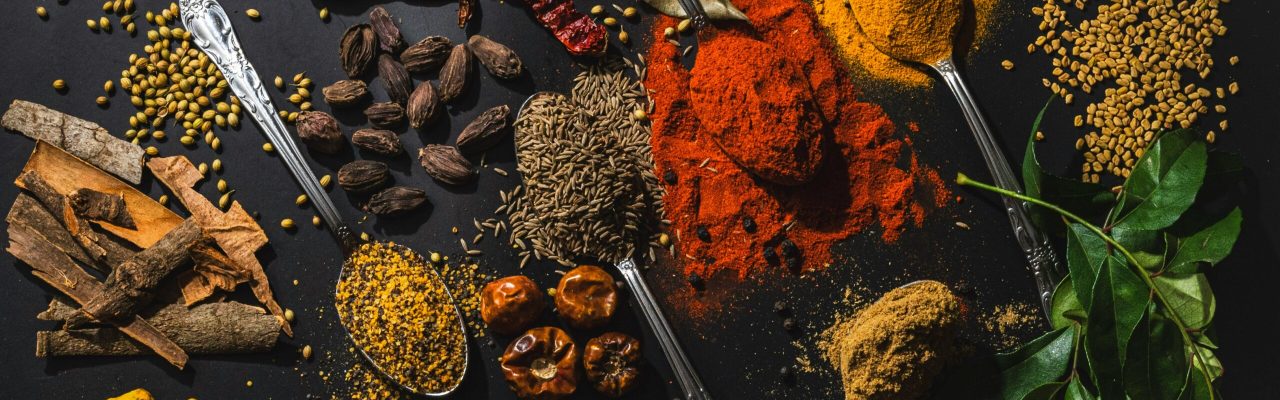
The word salsa doesn’t just refer to the famous dance style but also means sauce in Spanish. On a few food-related panels and sessions, I have argued that the sauce of our society currently tastes mostly like the economy, because economic and financial drivers guide our decisions. The sauce we have been eating for decades tastes bland, like a guacamole with too much coriander, or a tomatoes sauce made with acid tomatoes. When a flavor covers the others, you end up with an insipid salsa, whereas when you let all the ingredients express their richness and find the balance among them, you have a great salsa.
It’s a matter of mixing and blending ingredients, integrating them with balance and care. It works in the kitchen, it can work for our society. To make the other flavors reach our tastebuds, we need to better balance the spice mix of our societal salsa. An integrated capitals approach aims to do just this. It supports a more balanced view of the value provided by the ingredients that compose it: the natural, the social, the human, and the produced capital. They add the needed lime, chili pepper and onion to the guacamole sauce, and take blandness away.
Our decisions need to be driven by and take the natural world and people into account in the short and long term. In order to do that, decision-makers need to see the value in this, but decision-makers are normally put in power by the general public. To ensure that the general public understands why nature is fundamental to their lives and livelihoods, engagement is key. This is why the adoption of the strengthened role of Indigenous people and local communities at COP16 has been a great leap forward, as Indigenous people generally don’t make a distinction between people and the natural world. Particularly, in this era of glocalisation, there is a large opportunity for the biodiversity and nature agenda to be adopted through local engagement activities. Issues related to biodiversity, malfunctioning ecosystems and the natural world are largely locally perceived, faced and felt, as opposed to climate issues that are easier to measure but much harder to communicate as CO2 emissions are invisible. The wisdom, knowledge and worldviews of Indigenous and local communities have the potential to provide pathways to adopt alternative, more balanced value systems worldwide and add flavor to our ways of doing.
So, in 2025 we should all do a better job in blending the ingredients and spicing up our salsa. Both in terms of the decisions we make to provide a better flavor to our societal salsa, as well as in taking bold actions and being more courageous in the connections we make. Moving forward, I’d like to encourage you to think how you can engage audiences outside your sphere with accessible, sometimes perhaps bold language, a language that speaks to the hearts and hands of people. Use down-to-earth language (pun intended), open the doors of your events to a wider audience to connect more than the usual suspects, visualize (with AI?) what alternative better futures would look like, and provide hope that alternative options are feasible.
Movements create movement, let’s dance together and spice up the salsa!