Resources

Over the years, in collaboration with our global community, we have developed a comprehensive suite of protocols, tools, and guidance to help organizations embed the value of nature, people, and society into core business and finance decisions.
From foundational frameworks like the Natural Capital Protocol and Social & Human Capital Protocol, and the more recent Integrated Decision-making Framework, to sector-specific guidance and practical how-to tools, these resources translate complex concepts into actionable steps.
Protocols & Frameworks
Integrated Decision-making Framework
Decision-makers in all organizations need complete and consistent information to make decisions that build competitiveness and resilience. This is a testament to the power of systems thinking, the importance of considering the interconnectedness of all aspects of our world, and the value of what truly matters.
Natural Capital Protocol
Understanding the complex and dynamic relationships that organizations have with the health of natural assets and the ecosystem services they provide enables organizations to make more informed decisions.
Social & Human Capital Protocol
As recognition of this risk grows, the practice of measuring social impacts and dependencies is evolving and companies are increasingly calling for a harmonized approach to measure and value their relationships with people and society.
Standards
New Standard: Exposure Draft for Waste Methodology Topic
The Impact Values Standards Board (IVSB) has released its first Exposure Draft for the Waste Topic Methodology for public comment. This draft proposes a standardized methodology for measuring and monetizing waste impacts, following an impact pathway that links waste emissions to changes in the natural environment and, ultimately, to effects on human well-being.
IFVI – VBA General Methodology 2: Impact Measurement and Valuation Techniques
It outlines the data requirements, measures, and techniques used to measure and value impacts in impact accounting, as well as in the development of Topic and Industry-specific Methodologies.
IFVI – VBA Water Consumption Topic Methodology
It addresses global water-availability challenges by measuring and valuing the societal impacts of water consumption and guides preparers of impact accounts in measuring and valuing, in currency, the impact of a company’s water consumption on people and the planet.
Understanding the system
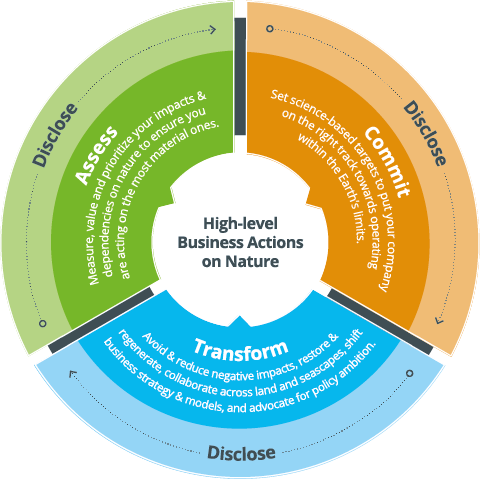
ACT-D High Level Business Actions on Nature
It guides businesses through the various tools, frameworks and initiatives available in the market to support them in assessing their relationships with nature, committing to action and target setting, transforming their practices and disclosing nature-related information.
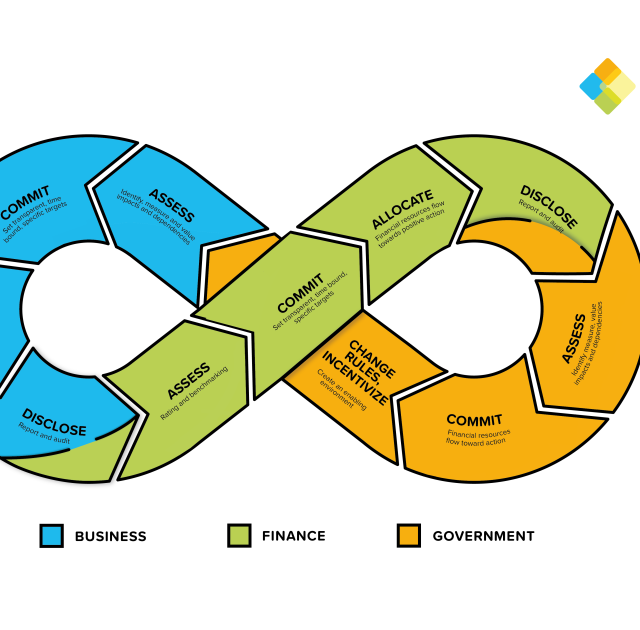
Infinity Loop
It is used to understand the system and the areas where to affect change by engaging with key stakeholders to drive transformative change.

Principles of Capitals Assessment
They aim to provide guidance and consistency on applying a capitals approach through integrated thinking, ultimately moving toward a more standardized approach to integrated capitals assessments.
Guides to start

Business Decision Template
The template provides a structured and recognizable format to include impacts and dependencies on nature, people, society.

The Capitals Checker
It provides a self-assessment tool for practitioners that enables them to assess, communicate and improve the level of confidence in their capitals assessments.

Natural Capital Management Accounting Methodology
The focus of this methodology is to measure and value how business activities affect societies through changes in natural capital and ecosystem services

Capacity Building
We equip individuals, organizations, and institutions with the knowledge, tools, and expert guidance needed to advance a resilient economy.
Publications

2026 GlobeScan Survey Report

Unpriced Environmental Costs – The Top Externalities of the Global Market Report

Towards a new Economic Paradigm 2.0

Accounting for Value: Emerging Approaches of Integrated Profit & Loss and Impact Statements

Valuing what matters: pluralism, power, and business decision- making
